

Self Vacuum
Add a review FollowOverview
-
Founded Date 4 May 1975
-
Sectors Manpower Services
-
Viewed 61
Company Description
What Is Robo Cleaner And How To Utilize It
The Rise of the Vacuum Robot: Your Ultimate Cleaning Companion
In an age where time is frequently more valuable than cash, technology has taken center stage in the mission for benefit. Amongst the innovations designed to streamline our lives is the vacuum robot, a device that has actually reinvented family cleaning. With its capability to tidy autonomously, the vacuum robot offers not just efficiency but also improved living experiences. In this detailed article, we will check out the numerous elements of vacuum robots, consisting of how they work, their advantages and disadvantages, comparisons amongst popular designs, and often asked questions.
What is a Vacuum Robot?
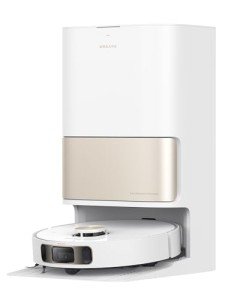
A vacuum robot is a little, automated gadget geared up with sensors and brushes designed to navigate through a home, identifying and cleaning dirt and particles from floorings, carpets, and even hard-to-reach areas. These gadgets run utilizing innovative technology, including mapping software application, barrier detection, and often even smart-home integration.
How Do Vacuum Robots Work?
Vacuum robots make use of sensors and a mix of brushes and suction power to clean floorings efficiently. Below is a high-level table summarizing the key parts that make up a vacuum robot:

| Component | Function |
|---|---|
| Sensing units | Identify barriers, changes in floor height, and dirt build-up |
| Brushes | Upset dirt and particles from surfaces before suction |
| Suction System | Captures dirt and debris into a dustbin |
| Navigation Software | Maps the environment for reliable cleaning paths |
| Battery | Powers the gadget for autonomous operation |
| Smart Connectivity | Enables push-button control and scheduling via mobile apps |
Advantages of Vacuum Robots
Convenience: The main appeal of vacuum robots is their capacity to run instantly. Users can arrange cleaning sessions, enabling the device to work while they concentrate on other tasks.
Time-Saving: Vacuum robots can minimize the time invested in regular cleaning. An average family may recover numerous hours weekly.
Reduce of Use: Most designs include easy to use interfaces, making them available to any age groups.
Advanced Features: Many vacuum robots are geared up with smart functions that enable them to map homes, return to their charging docks when low on battery, and even be managed through smartphone applications.
Pet-Friendly: For animal owners, vacuum robots can be especially useful, as many models are created particularly to handle pet hair and dander.

Downsides of Vacuum Robots
Cost: High-end designs can be rather pricey compared to conventional vacuums.
Limited Capability: While they are outstanding for regular cleaning, vacuum robots might not perform as well as upright vacuums on deep cleaning jobs.
Upkeep: Regular emptying of the dustbin, cleaning brushes, and periodic battery replacements are required to keep the gadget operating successfully.
Navigation Issues: Although innovative navigation systems exist, some models may still battle with complex room designs or barriers.
Sound Level: Some Vacuum deals robots can be noisier than expected, which can be a concern in quieter environments.
Popular Vacuum Robot Models
With a saturated market, it can be challenging to select the best vacuum robot. Here’s a relative table of a few of the high-ranking models readily available today:
| Model | Price Range | Battery Life | Suction Power | Smart Features |
|---|---|---|---|---|
| iRobot Roomba 980 | ₤ ₤ | 120 minutes | Strong | Mobile app, voice control |
| Roborock S7 | ₤ ₤ ₤ | 180 mins | Very Strong | Mapping, mopping function |
| Ecovacs Deebot | ₤ ₤ | 110 minutes | Moderate | App control, barrier avoidance |
| Neato D7 | ₤ ₤ ₤ ₤ | 120 mins | Strong | Laser navigation, zone cleaning |
| Shark Ion Robot | ₤ ₤ | 90 mins | Moderate | WiFi connectivity |
Often Asked Questions (FAQs)
1. How do I pick the ideal vacuum robot for my home?
When selecting a vacuum robot, think about factors such as your budget plan, the size of your home, the kinds of floor covering you have, and whether you have family pets. Functions like mapping innovation and suction power are likewise crucial for optimal performance.
2. Can vacuum robots deal with all floor types?
A lot of vacuum robots are designed to work on different surface area types, consisting of wood, tile, and carpet. Nevertheless, always check the requirements to guarantee compatibility.
3. How often should I run my vacuum robot?
For optimal tidiness, it is recommended to run your vacuum robot a minimum of 2 to 3 times a week, although day-to-day cleaning is useful if you have animals or children.
4. Are vacuum robots simple to preserve?
Yes, vacuum robots are simple to preserve, needing jobs like emptying the dustbin, cleaning the brushes, and periodically changing filters. Most designs will offer notifications for upkeep tasks through their apps.
5. How loud are vacuum robots compared to traditional vacuums?
Vacuum robots are generally quieter than conventional vacuums. The noise level generally varies in between 60 to 70 decibels, making them appropriate for continuous use even when individuals are at home.
Vacuum robots have actually ended up being more than simply trendy gizmos– they are useful options for hectic households looking for to simplify their cleaning regimens. By understanding their functionalities, advantages, and restraints, users can make educated decisions on the models that best fit their requirements. With improvements in innovation, vacuum robots are likely to end up being much more efficient, making house cleaning easier than ever. Whether through automated cleaning schedules or powerful suction abilities, vacuum robots represent the future of home maintenance.
As we further embrace technological innovations, something is certain: our homes will never ever be the same once again.