

Purchasing Counterfeit Money Online
Add a review FollowOverview
-
Founded Date 12 November 2022
-
Sectors Banking
-
Viewed 28
Company Description
Undetectable Banknotes For Sale Techniques To Simplify Your Daily Life Undetectable Banknotes For Sale Trick That Every Person Must Know
Undetectable Banknotes for Sale: A Dangerous Game
In the age of innovation and sophisticated security steps, the issue of undetectable banknotes has actually emerged as a controversial topic. With fake currency taking on increasingly advanced types, authorities are constantly challenged to keep up with counterfeiters. However, for some, the concept of getting undetectable banknotes is appealing, despite the fundamental threats and ethical implications. This post will check out the world of undetectable banknotes, how they are developed, the legal implications of their sale, and supply FAQs for those interested by this wicked market.
What are Undetectable Banknotes?
Undetectable banknotes refer to counterfeit currency that has been manufactured to carefully imitate genuine banknotes to the degree that they escape detection from traditional approaches used by banks and retailers. These notes can typically be used for illicit functions, such as scams, money laundering, or funding prohibited activities.
Typical Features of Undetectable Banknotes:
| Feature | Description |
|---|---|
| Paper Quality | Made with state-of-the-art products looking like real banknotes. |
| Printing Techniques | Uses balanced out printing and advanced strategies like intaglio. |
| Security Features | Attempts to replicate security features such as watermarks and micro-printing. |
| Color and Design | Specific copies of genuine currency designs, consisting of colors. |
| Can’t be Detected by | Fundamental counterfeit detection tools commonly utilized at shops. |
The Mechanics of Counterfeit Production
Counterfeit operations have advanced significantly thanks to technological developments. Here’s a better look at how undetectable banknotes are usually produced:
Design Duplication: Counterfeiters take high-resolution images of real banknotes and make use of graphic style software to replicate the minute information of the original billing.
Material Selection: They then source premium paper that simulates the feel and weight of genuine banknotes, often utilizing a cotton-linen blend– a requirement in numerous countries.
Advanced Printing: Various printing techniques, such as balanced out and silkscreen printing, are employed, typically using several colors and layers to accomplish the depth and vibrancy found in real notes.
Replica of Security Features: Counterfeiters invest time in developing similar security functions that are hard to determine through basic detection approaches.
Circulation Networks: Once produced, these banknotes can be funneled into circulation through various channels, typically utilizing the dark web.
Legal Implications
The sale and circulation of undetectable banknotes is unlawful in a lot of jurisdictions. Taking part in such activities can cause serious effects, including substantial prison sentences and substantial fines. For example, in the United States, counterfeiting is punishable by up to 20 years in prison under federal law. Banks and governments have rigid policies and utilize innovative innovations to fight counterfeiting.
Worldwide Counterfeit Currency Laws:
| Country | Penalty for Counterfeiting |
|---|---|
| United States | Approximately 20 years in jail and fines. |
| United Kingdom | Approximately 10 years in prison. |
| Canada | As much as 14 years in prison. |
| Australia | As much as 10 years in prison. |
| Germany | Up to 5 years in prison, additional fines may use. |
Risks of Purchasing Undetectable Banknotes
Getting undetectable banknotes postures numerous severe threats:
Legal Consequences: Engaging in the purchase of counterfeit currency can cause detain and criminal charges.
Financial Loss: Many suppliers in the unlawful trade are deceiving and might offer useless, inferior products.
Ethical Dilemma: Participating in such activities adds to economic instability and undermines the stability of banks.
Unpredictable Outcomes: Dealing in counterfeit currency can cause negative associations with criminal organizations and police.
Frequently asked questions
1. What are the threats of using counterfeit money?
Using counterfeit money is prohibited and can result in apprehend. Even if you unconsciously accept counterfeit money, you may still deal with legal consequences.
2. How can I determine counterfeit money?
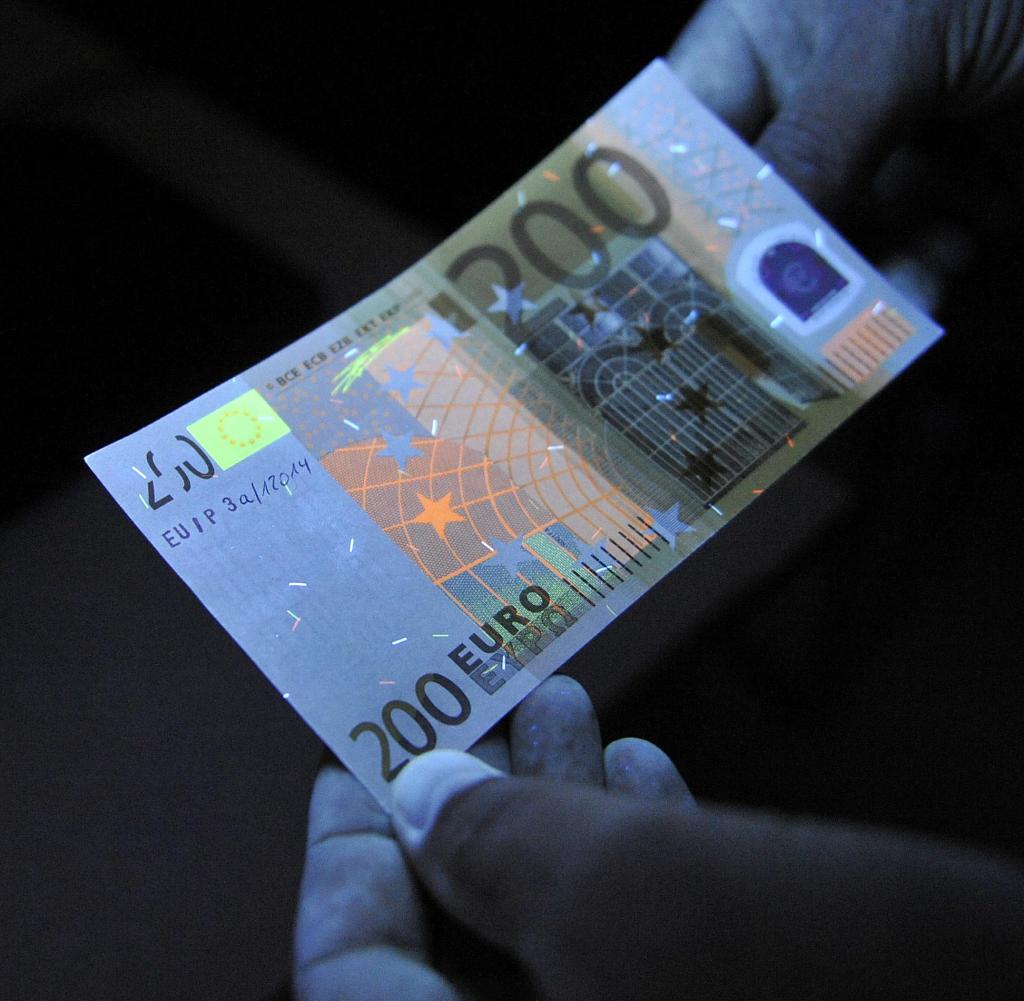
Banks and sellers use numerous methods, including UV light, zoom, and watermark tests, to identify counterfeit money. The best practice is to familiarize yourself with the particular security functions of your country’s genuine banknotes.
3. Can I get arrested for simply seeking to purchase counterfeit notes?
While intent is crucial in legal matters, just asking about purchasing counterfeit notes might raise suspicions and potentially result in legal action.
4. Are there safe options to undetectable banknotes?
If you’re interested in financial transactions that use privacy, think about legitimate alternatives such as cryptocurrencies, which provide personal privacy without legal implications.
5. How do police fight counterfeiting?
Authorities usage forensic analysis, intelligence sharing, and public education to combat the problem of counterfeiting, together with technological advancements to find counterfeit notes.
While the world of Undetectable Banknotes For Sale banknotes may appear luring to some, it is vital to understand the significant repercussions of taking part in such prohibited activities. The legality, threat, and ethical implications far exceed any perceived advantages. The best strategy is to promote a society built on trust and integrity, respecting the financial systems that underpin our economies. As technology develops, so too does the obligation of individuals to make informed, ethical choices regarding currency and financial transactions.