

Exercise Equipment
Add a review FollowOverview
-
Founded Date 15 December 1984
-
Sectors Manpower Services
-
Viewed 52
Company Description
9 Signs That You’re A Fitness Bike Expert
The Comprehensive Guide to Fitness Bikes: What You Need to Know
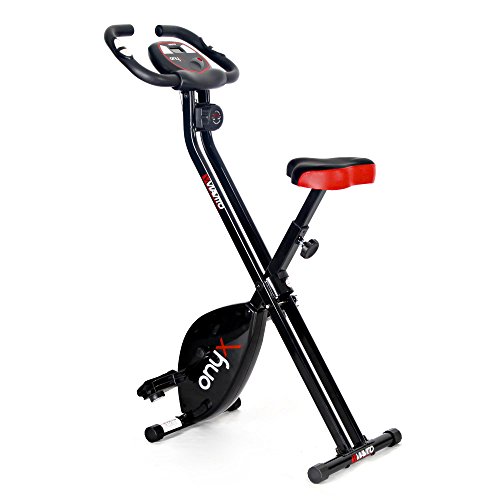
In the ever-evolving world of fitness, the fitness bike has actually emerged as a popular tool for people looking for to enhance their cardiovascular health, construct strength, and enjoy the convenience of exercising from home. This short article checks out the numerous kinds of fitness bikes offered in the market, their health advantages, how to choose one matched for your needs, and frequently asked concerns about these versatile tools.
Types of Fitness Bikes
Fitness bikes come in numerous designs, each developed to accommodate various exercise preferences and objectives. Below is a breakdown of the main kinds of fitness bikes:
| Type of Bike | Description | Ideal For |
|---|---|---|
| Upright Bike | Looks like a standard bicycle. | Users trying to find a full-body exercise. |
| Recumbent Bike | Has a reclining seat that offers back assistance. | Users with lower back concerns or joint concerns. |
| Spin Bike | Designed for high-intensity workouts and simulations of outside cycling. | Cyclists looking for an extreme cardio workout. |
| Air Bike | Utilizes wind resistance and has movable arms for upper body exercise. | Those desiring a full-body exercise. |
Each kind of bike offers distinct functions and benefits, allowing users to pick one that fits their fitness levels and objectives.
Advantages of Using Fitness Bikes
Utilizing a fitness bike can yield a wide variety of benefits, including:
- Cardiovascular Health: Regular cycling helps to raise the heart rate, improving cardiovascular fitness and endurance.
- Weight Management: Incorporating biking into your exercise regimen can assist in burning calories, adding to weight-loss or upkeep.
- Muscle Toning: Cycling targets significant muscle groups, consisting of the legs, glutes, and core, promoting muscle development and toning.
- Low Impact: Fitness bikes provide a low-impact exercise, making them appropriate for individuals with joint issues or those recuperating from injuries.
- Convenience: Having a fitness bike in the house permits easy access to workouts at any time, obstructed by climate condition.
How to Choose the Right Fitness Bike
Choosing the ideal fitness bike can be frustrating provided the numerous options readily available. Here are some vital factors to think about:
- Budget: Determine your budget plan, as fitness bikes can range from affordable designs to high-end, sophisticated bikes.
- Space: Consider the offered space in your house for the bike’s footprint and guarantee it fits easily.
- Functions: Look for necessary features like adjustable seats, monitor display screens (for speed, range, and heart rate), and resistance levels.
- Comfort: Opt for a bike that provides ergonomics to boost convenience during workouts. Test trip if possible.
- Evaluations and Brand Reputation: Research consumer reviews and consider established brand names known for quality and resilience.
Upkeep Tips for Fitness Bikes
To keep your fitness bike in optimum working condition, abide by the following upkeep pointers:
- Regular Cleaning: Wipe down the bike frequently to prevent dust accumulation and gunk accumulation.
- Inspect for Loose Parts: Periodically examine the bike for any loose screws or components that might need tightening.
- Oil Moving Parts: Ensure to assign time for lubrication of chains and other moving parts, particularly for spin bikes.
- Change Worn Components: Keep an eye on the condition of the pedals, seat, and handlebars, and replace them as required.
Often Asked Questions
1. Are fitness bikes great for weight loss?
Yes, fitness bikes can be an efficient tool for weight loss when combined with a correct diet and constant exercise home cycle program. They help burn calories and can boost metabolism.
2. How long should I ride a fitness bike for effective exercises?
For ideal results, go for at least 30 minutes of moderate-intensity cycling a number of times a week. Adjust the period based upon individual fitness objectives and present health.
3. Can fitness bikes reinforce my core?
While fitness bikes primarily target lower body muscles, your core engages to preserve stability and posture, hence providing additional core strength benefits.
4. How do I avoid discomfort while using a fitness bike?
To minimize discomfort throughout cycling, make sure that the bike is properly adapted to your height. In addition, consider investing in cushioned shorts or a gel seat cover for improved comfort.
5. Are fitness bikes safe for senior citizens?
Yes, fitness bikes, especially recumbent bikes, are frequently recommended for seniors. They provide a safe and low-impact way to remain active while lessening the risk of injury.
Fitness bikes serve as an exceptional investment for anyone looking to enhance their fitness levels and overall health. With numerous alternatives available, comprehending your individual fitness goals and preferences can help direct your option. As with any exercise regimen, consistency is key, and including a fitness bike into your routine exercise schedule can lead to substantial health benefits. Whether for weight reduction, enhanced cardiovascular health, or a practical method to exercise, a fitness bike can be an important addition to your home exercise routine.