

Best Robot Hoover
Add a review FollowOverview
-
Founded Date 12 February 1984
-
Sectors Banking
-
Viewed 63
Company Description
Guide To Vacuum Robot: The Intermediate Guide Towards Vacuum Robot
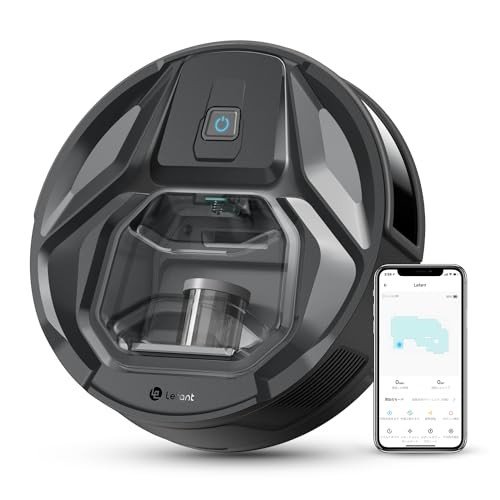
The Rise of Vacuum Robots: A Cleaner Future
In the hectic world these days, technology has actually penetrated nearly every element of our lives, making tasks much easier and more efficient. One such technological marvel that has gotten considerable popularity is the vacuum robot. These smart cleaning devices have actually revolutionized the way we keep our homes, offering a hands-free solution to a mundane yet necessary chore. This article explores the world of vacuum robots, exploring their functions, benefits, and the future they promise.
What is a Vacuum Robot?
A vacuum robot, likewise referred to as a robotic vacuum or robovac, is an automated cleaning device designed to navigate and clean floors in homes and workplaces. Geared up with advanced sensors, navigation systems, and cleaning technologies, these robots can map out a room, avoid obstacles, and clean successfully without human intervention. They are generally small, circular, and can fit under furniture and in tight spaces, making them ideal for a variety of environments.
Key Features of Vacuum Robots
Autonomous Navigation
- Mapping and Path Planning: Modern vacuum robots use advanced algorithms and sensors to create a detailed map of the environment. This permits them to strategy efficient cleaning paths and avoid obstacles.
- Challenge Detection: Sensors like infrared, ultrasonic, and video cameras assist the robot find and navigate around furnishings, walls, and other challenges.
- Cliff Detection: To avoid falls, these robots are geared up with sensing units that detect edges and drop-offs, guaranteeing they remain on the floor.
Cleaning Capabilities
- Suction Power: Vacuum robots feature differing levels of suction power, appropriate for different kinds of floors and debris.
- Brushes and Mop Attachments: Many models include side brushes and primary brushes to remove and gather dirt, in addition to mopping attachments for damp cleaning.
- HEPA Filters: High-efficiency particle air (HEPA) filters are typically consisted of to catch fine particles and allergens, improving indoor air quality.
Connection and Control
- Smart Home Integration: Most vacuum robotics can be incorporated with smart home systems like Amazon Alexa, Google Assistant, and Apple HomeKit, permitting voice control and scheduling.
- Mobile App Control: Users can control and monitor their vacuum robots using dedicated mobile apps, which provide features like remote start, cleaning schedules, and cleaning history.
Battery Life and Charging
- Long Battery Life: Modern vacuum robotics can operate for several hours on a single charge, depending on the design.
- Automatic Recharging: When the battery is low, the robot can go back to its charging dock autonomously and resume cleaning once totally charged.
Advantages of Vacuum Robots
Convenience
- Hands-Free Cleaning: The primary benefit of a vacuum robot is the convenience it offers. Users can set a cleaning schedule and let the robot handle the job, releasing up time for other activities.
- Remote Control: With mobile app and voice control options, users can handle their vacuum robots from anywhere, making it easy to start a cleaning cycle or check the status.
Efficiency
- Thorough Cleaning: Advanced navigation and mapping technologies guarantee that vacuum robotics cover every corner of the space, offering an extensive clean.
- Routine Maintenance: By scheduling regular cleaning cycles, vacuum robotics assist maintain a consistently clean environment, lowering the requirement for manual cleaning.
Cost-Effectiveness
- Long-Term Savings: While the preliminary expense of a vacuum robot can be greater than a standard vacuum, the long-lasting cost savings in time and effort can be substantial.
- Low Maintenance: Most vacuum robotics need minimal upkeep, such as occasional filter cleaning and brush unclogging.
Future Trends in Vacuum Robots
Improved AI and Machine Learning
- Enhanced Navigation: Future vacuum robotics will likely include advanced AI and artificial intelligence algorithms, enabling even more accurate and efficient cleaning.
- Adaptive Cleaning: These robotics will be able to adjust to various cleaning requires based on the environment and user preferences.
Integration with Smart Home Ecosystems
- Seamless Integration: As smart home technology advances, vacuum robotics will become more incorporated with other smart devices, producing a more cohesive and automated home environment.
- Voice-Activated Commands: Enhanced voice acknowledgment will make it easier for users to control their vacuum robotics with easy commands.
Environmental Sustainability
- Energy Efficiency: Future models will focus on energy performance, minimizing power intake and ecological impact.
- Eco-Friendly Materials: Manufacturers might begin utilizing more sustainable products in the production of vacuum robotics, even more minimizing their carbon footprint.
Frequently asked questions
Are vacuum robots suitable for all kinds of floorings?
- Yes, most vacuum robots are designed to clean various floor types, including wood, tile, and carpet. However, it’s important to check the specs of the model to ensure it appropriates for your particular floor type.
How frequently should I clean the filter and brushes?
- It is recommended to clean up the filter and brushes after each usage to maintain optimal performance. For HEPA filters, cleaning once a month is normally sufficient.
Can vacuum robotics tidy stairs?

- The majority of vacuum robotics are not designed to clean stairs due to security issues and the danger of falling. Nevertheless, some models might have features that permit them to clean up the edges of stairs.
Are vacuum robotics noisy?
- While vacuum robotics are usually quieter than traditional vacuums, the sound level can vary depending upon the design. The majority of contemporary models are designed to run at a low sound level, making them ideal for use throughout the day or night.
Can I use a vacuum robot with animals?
- Yes, vacuum robotics are often recommended for homes with animals due to their capability to tidy up pet hair and dander effectively. Some designs even come with specialized pet hair brushes.
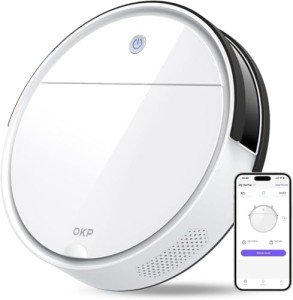
Vacuum robotics represent a significant improvement in home cleaning innovation, using benefit, effectiveness, and cost-effectiveness. As technology continues to develop, these smart devices will become much more advanced, more enhancing the cleaning experience. Whether you’re a busy professional, a pet owner, or simply aiming to streamline your everyday regimen, a vacuum robot is a valuable addition to any home.