

B1 Prüfung ÖSD
Add a review FollowOverview
-
Founded Date 1 December 1913
-
Sectors Charity & Voluntary
-
Viewed 51
Company Description
A Trip Back In Time: How People Talked About German Certificate 20 Years Ago
Understanding the German Certificate: Your Pathway to Proficiency
The German language holds a substantial position in the European Union and is a vital tool for anyone wanting to check out scholastic, professional, or individual opportunities in Germany and the broader German-speaking world. For those wishing to confirm their German language efficiency, acquiring a German certificate is a vital step. This post explores the kinds of German certificates offered, the benefits of accreditation, the examination process, and regularly asked concerns to assist students browse their journey.
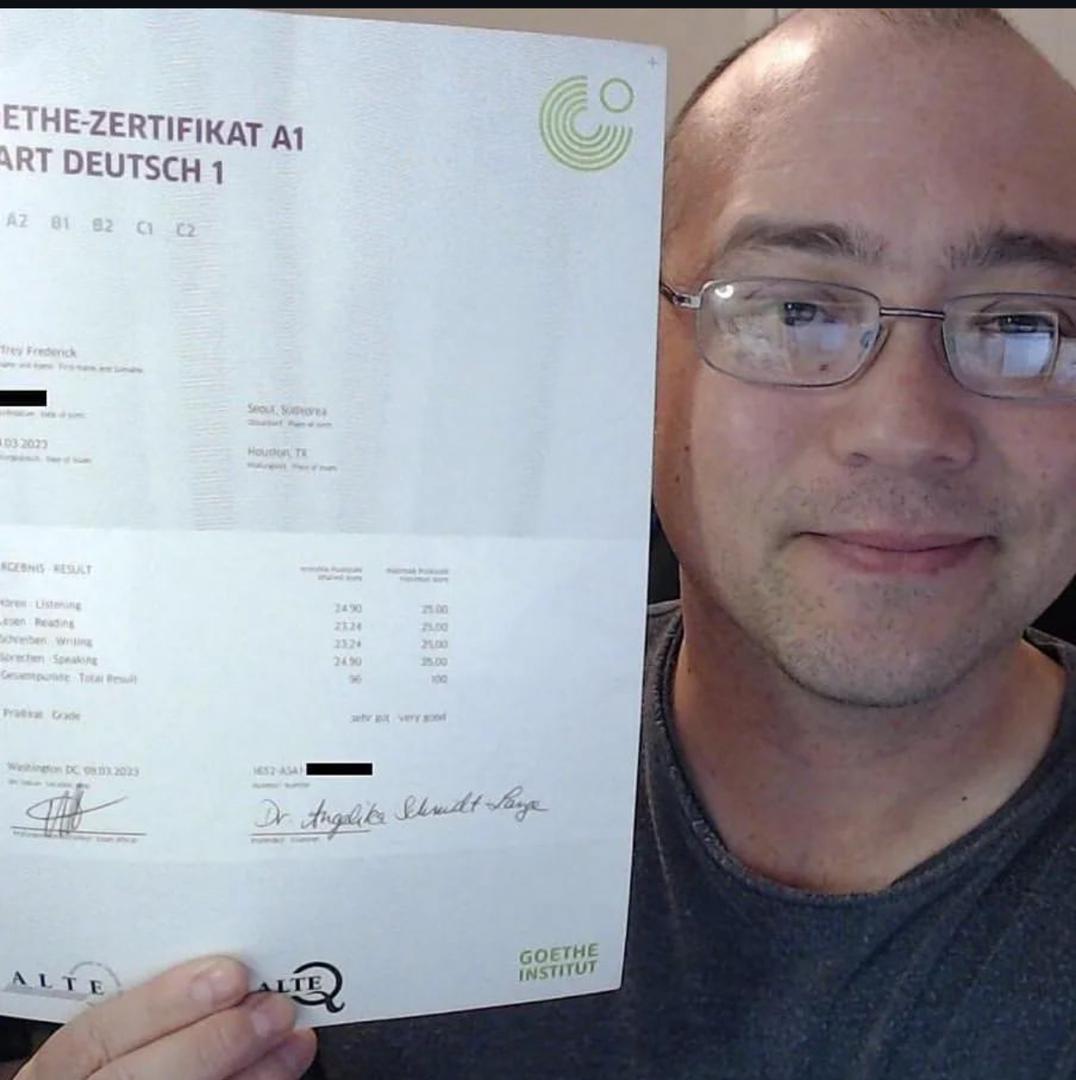
Why Obtain a German Certificate?
Demonstrates Proficiency: A German certificate serves as a formal recognition of your language abilities. It is particularly beneficial for job applications or university admissions where language competency is a requirement.
Profession Opportunities: In a progressively worldwide economy, business value employees who can speak more than one language. A German certificate can improve your employability.
Academic Requirements: Many German universities need global applicants to offer proof of language efficiency, making a German certificate necessary for non-native speakers.
Individual Achievement: Achieving a German certificate is a testament to your tough work and dedication to mastering a new language.
Types of German Certificates
There are numerous recognized German language efficiency tests, each catering to various requirements and levels. Below is a breakdown of some of the most popular certifications:
| Certification | Level | Description |
|---|---|---|
| Goethe-Zertifikat | A1 – C2 | Used by the Goethe Institute, these certificates are extensively recognized and appropriate for all levels of efficiency. |
| TestDaF (Test Deutsch als Fremdsprache) | B2 – C1 | Particularly developed for foreign students wanting to study in Germany. It examines proficiency at the B2 and C1 levels. |
| DSH (Deutsche Sprachprüfung für den Hochschulzugang) | B2 – C1 | A language test required for non-German trainees desiring to enroll in German universities. |
| TELC (The European Language Certificates) | A1 – C2 | A series of tests concentrating on useful language skills often tailored for particular professions or contexts. |
| ÖSD (Österreichisches Sprachdiplom Deutsch) | A1 – C2 | An Austrian language diploma recognized in Austria and other German-speaking nations. |
Getting ready for the Exam
Preparation for a German language certificate requires dedication. Here is a list of efficient strategies for exam preparation:
Take Language Classes: Enroll in a language course tailored to your certificate level.
Practice Regularly: Daily practice through reading, composing, listening, and speaking is important.
Usage Language Apps: Utilize apps such as Duolingo, Babbel, or Rosetta Stone to enhance your vocabulary and grammar.
Engage with Native Speakers: Join conversation clubs or language exchange programs to improve confidence and fluency.
Mock Tests: Take practice exams to become knowledgeable about the structure and time constraints of the genuine evaluation.
Study Materials: Use textbooks specifically developed for exam preparation to assist your research study sessions.
Evaluation Process
The assessment procedure can vary depending upon the picked certificate. Nevertheless, here is a general summary of what to expect:
Registration: Candidates need to sign up online or personally at the appropriate assessment center.
Assessment Format: Most German language certifications consist of areas on reading, writing, listening, and speaking. Each area is developed to examine different linguistic skills.
Test Duration: The period of the exam varies by accreditation; for example, the Goethe-Zertifikat typically takes 3-4 hours.
Outcomes: Results are normally released within a few weeks of taking the exam, and candidates receive a certificate indicating their efficiency level.
Benefits of a German Certificate
Obtaining a German language certificate also brings numerous practical advantages:
- Improved Language Competence: The structured preparation assists strengthen your language structures.
- Cultural Insight: Many courses explore German culture, history, and society, enhancing your understanding of the language.
- Networking Opportunities: Language certifications often help candidates get in touch with other students and specialists in their field.
Frequently Asked Questions
1. What is the difference in between B1 and B2 level certificates?
The B1 level accredits that a student can understand and produce composed and spoken language in everyday situations. The B2 level suggests a higher efficiency in talking about abstract topics and OSD Sprache accessing more complex texts.
2. Are online courses adequate for preparation?
Online courses can be useful, but they must be supplemented with real-life practice, conversational exchanges, and official study products to guarantee extensive preparation.
3. How long does it require to prepare for a German certificate?
Preparation time differs based upon your beginning level and the preferred certification. Usually, learners might need numerous months to a year of dedicated study.
4. Can I study for both the DSH and TestDaF at the same time?
Yes, both tests assess similar proficiency levels, but it is wise to understand the specifics of each examination to prepare appropriately.
5. Where can I take these exams?
Exams are used at numerous language schools, Goethe Institutes, test centers connected with universities, and online choices, depending on the accreditation.
A German certificate can be a pivotal stepping-stone in a person’s language-learning journey, opening a world of opportunities in education and employment. While browsing the different offerings can appear overwhelming, comprehending the different kinds of certificates, preparing successfully, and being notified about the exam process can make the experience smoother and more gratifying. By investing the time and effort into getting a German certificate, learners not just enhance their language skills however likewise deepen their connection to a lively culture and community.